Lumafield CT-scanned a BYD, and an owner in the thread caught the teardown getting a detail wrong
Lumafield's 'Scan of the Month' put a BYD's battery, key fob and switchgear under an industrial CT scanner to show how far the company's vertical integration runs. Then a BYD owner read the writeup and corrected it.
What Lumafield put under the CT scanner
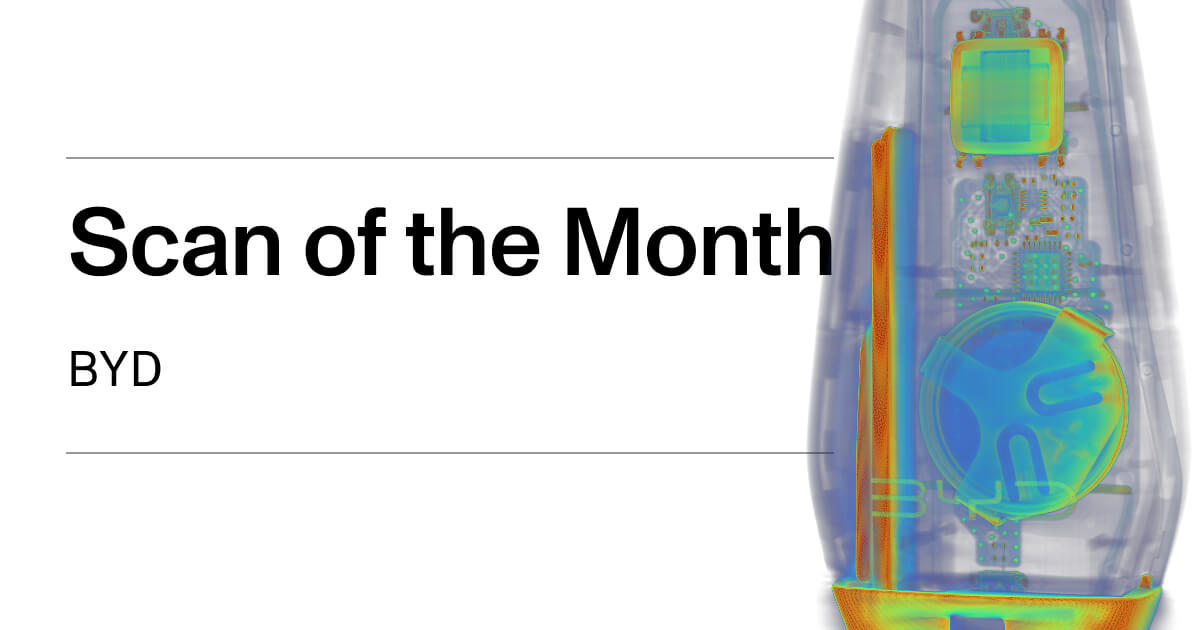
Lumafield's Scan of the Month put parts from a BYD through an industrial CT scanner — the same non-destructive imaging used for aerospace inspection — to look inside the battery pack, the switchgear, and the key fob without cutting anything open. The pitch: see, layer by layer, how a car from the world's largest EV maker is actually assembled.
'From the lithium mine to the port': the vertical-integration claim
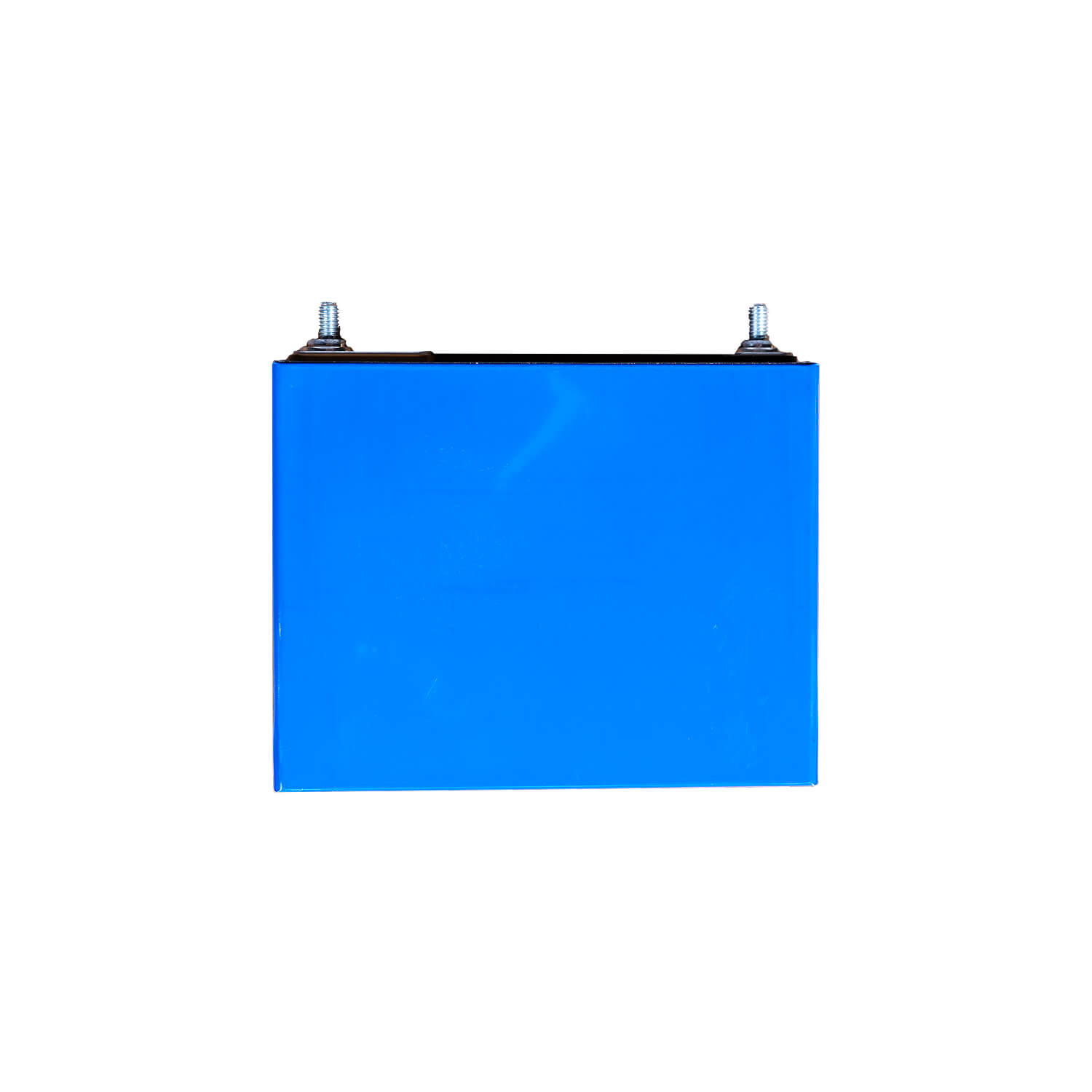
The writeup's headline argument is about integration, and one commenter pulled the key line straight out of it:
"The last company to vertically integrate a car from raw material to finished product at this scale was Ford. Today BYD's system runs all the way from the lithium mine to the port."
The same commenter added the caveat the article glosses over: both BYD and Tesla claim to make roughly 75% of their components in-house, so 'lithium mine to port' is a vivid framing more than a unique feat.
The thread: an owner corrects the key-fob detail

The scan's caption described the key fob as having "a mechanical backup key, a flat metal blade in a hinged housing." A BYD owner corrected it: the key isn't hinged — the whole mechanical blade pulls out once a small clip is unlatched. A small thing, but exactly the kind of error a CT image invites and an owner catches.
Corroboration on build quality came from a reader whose friend, an HV-certified technician, is mid-autopsy on a BYD Shark: he came away impressed by how heavy-duty the construction is.
What the scans don't settle: scale, robots, and the data question
A Berlin-based backend developer noted the part the imagery can't show: BYD now ships cars by the millions and leans hard on factory robotics, so any systemic quality problem would surface at that volume — the opposite of the 'cheap labor' assumption.
And a skeptic in the thread flagged what the teardown leaves out entirely: the data these cars collect and the 'social credit' context they ship from — a reminder that an impressive CT scan answers the engineering question, not the trust one.
This is the last story in the June 3, 2026 issue.
Go to the issue archive